Modular Mineral Processing Plant: Where They Fit
Modular isn't a magic trick; it's a logistics decision.
A modular mineral processing plant is not a toy. It's a full processing circuit split into transportable modules—skids, containers, or prefabricated steel frames—that you assemble on site instead of building stick by stick. Xinhai builds modular plants as part of its EPC+M+O offering, and the company reports more than 600 projects across 100+ countries. When you're weighing a modular plant against a conventional fixed build, the decision turns on throughput, site access, schedule, and how likely you are to move or expand the plant later.
What "modular" means in practice
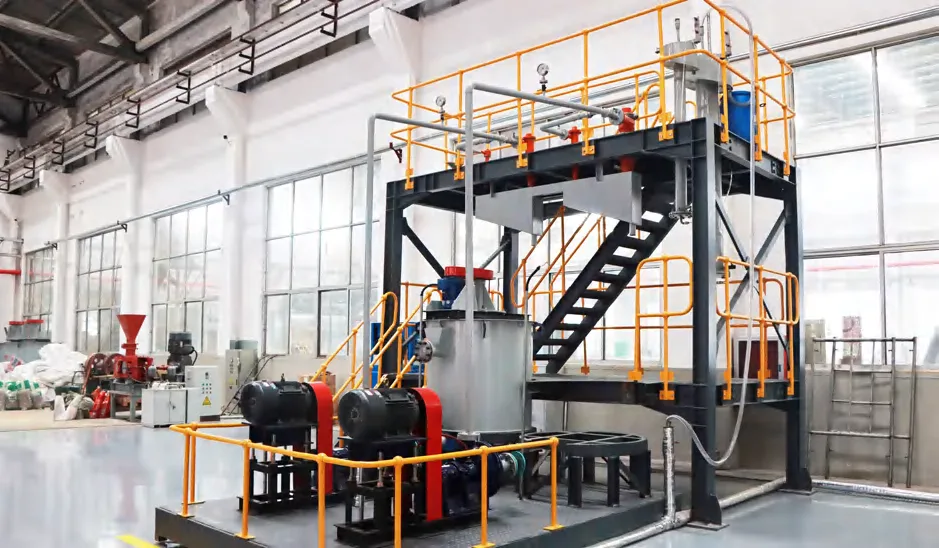
A modular mineral processing plant is a type of processing facility where the crushing, grinding, flotation, leaching, or dewatering circuits are built inside transportable units. A containerised plant is a common form: standard ISO containers hold equipment, piping, and electrical panels, and they lock together on site. A skid is different—it's an open steel base frame that carries a group of components without full enclosure. The usual sequence runs four steps. First, you confirm the process flowsheet with laboratory or pilot test work. Second, the modules are fabricated and dry-tested in a controlled workshop. Third, they ship to site. Fourth, they're lifted onto pre-prepared foundations and connected. That sequence removes most field welding and structural steel erection from the critical path. If you're evaluating this route, Xinhai's modular plant service starts from that same sequence.
Throughput and site conditions that favour modular
Throughput and access decide most of it. If you're feeding a few hundred tonnes per day to maybe a couple of thousand, modular often beats stick-built because you're not paying for a large field crew over many months. Xinhai's manufacturing capability supports single projects up to 50,000 t/d, but that's the conventional EPC envelope; modular designs usually cluster below the point where bespoke steel and concrete become cheaper than duplicating modules. Remote sites with high labour costs, short weather windows, or limited accommodation for construction crews favour modular. You'll also see modular chosen where the ore body is small or the mine life is short, because the plant can be resold or redeployed after closure. Limited grid power and water access also push you toward modular, because the plant can be delivered with integrated diesel or solar-ready switchgear and closed-loop water systems already factory tested. The U.S. Geological Survey's Mineral Commodity Summaries show that many critical minerals come from small, remote deposits: lithium demand, for instance, is driven 88% by batteries, and several hard-rock lithium mines operate in places with limited site infrastructure. That's exactly the kind of setting where a modular plant can reduce construction risk.
Shipping and assembly implications
Shipping a modular plant means every module has to fit a truck, railcar, or container, and still be strong enough to lift. That constraint drives design. Equipment is split at flanges, walkways fold or bolt on, and pipe racks get shipped as spools. On site, you don't need a large fabrication yard. The sequence is: prepare compacted pads or pile caps, set the modules with a mobile crane, bolt the structural connections, then connect piping and cable trays across module joints. Because the modules were dry-tested in the workshop, commissioning faults usually drop to instrumentation and inter-module wiring rather than mechanical failures. You'll still need a crane pad and enough laydown space for trucks to turn, but that's far less than a stick-built site. Xinhai's equipment manufacturing and prefabrication base produces these modules under factory QC, which is a key reason containerised plants can be installed faster than field-built equivalents.
Relocation and phased expansion
Relocation is the strongest argument for a modular plant. If your ore body is small or you hold multiple satellite deposits, the same circuit can move. The sequence runs: stop feed, drain and flush the pipes, disconnect inter-module utilities, lift the modules onto trucks, and reinstall them at the next site. Because the modules are self-contained, you don't cut structural steel, and you don't lose much of the original investment. You will lose some production days during the move, but that downtime is usually shorter than building a second plant. Phased expansion works the same way. You can start with one grinding and flotation train, then add a second train as the mine ramps up or as test work proves more capacity. Xinhai's mine EPC delivery model supports phased modular expansion, because the design can reserve space and connection points for future modules without building them now.
Where a stick-built plant remains the right answer
Modular isn't always the cheapest option. Above a certain throughput, the cost per tonne of duplicating modules exceeds the savings from factory labour. You'll typically see stick-built plants for large copper concentrators or iron ore plants where the grinding mills are 7 m in diameter or bigger and the flotation cells are 320 m³ single units. Xinhai manufactures such equipment—ball mills up to 7 m in diameter, flotation cells up to 320 m³, leaching tanks up to 20 m by 20 m, and thickeners up to 100 m in diameter—but those units don't fit inside a shipping container. Stick-built design also wins when the process needs unusual elevations, very high head pumps, large surge bins, or complex material handling that doesn't modularise cleanly. The JORC Code, which governs public reporting of mineral resources and ore reserves in Australasia, doesn't care whether a plant is modular or stick-built. It cares about the modifying factors: mining, processing, metallurgical, and infrastructure assumptions. A modular plant can meet the same test as a conventional plant, but the economics at large scale often tip back to stick-built design because custom steel and concrete become cheaper per tonne than repeated module fabrication and shipping. That's the honest limit of the JORC Code's scope; it's about disclosure, not construction method.
How Xinhai fits modular into EPC+M+O
EPC+M+O refers to engineering, procurement, construction plus mine management and operation. It's Xinhai's full delivery model, and modular plants are one tool within it. You can contract only the modular plant, or you can pair it with process test work, mine design, and ongoing operation. Xinhai reports more than 600 EPC+M+O projects and 700+ technical experts, according to the company's published figures. The company operates three manufacturing bases with a combined workshop area of about 110,000 m², where modular and prefabricated equipment is built alongside conventional process equipment. The technical team covers 17 design disciplines, including mining, mineral processing, civil, electrical, automation, steel structure, and tailings. That depth matters because a modular plant still needs a sound flowsheet and a properly sized tailings facility. If you're not sure whether modular or stick-built fits your deposit, the first step is a mineral processing test to confirm the flowsheet, followed by a trade-off study. Xinhai's design institute holds a Class B metallurgical qualification in China, not a general international license, so you'll need local engineering review for permits in your jurisdiction. You can explore the rest of the delivery model on the technical strength page.
Frequently asked questions
What is a modular mineral processing plant?
A modular mineral processing plant is a processing facility built in transportable modules, such as ISO containers or steel skids, that are assembled on site. It's the same flowsheet as a stick-built plant, but the construction happens in a factory, not in the field.
What throughput suits a modular plant?
Modular plants usually suit small to mid-size throughputs, often below a few thousand tonnes per day. Xinhai's broader EPC capability supports single projects up to 50,000 t/d, but modular designs typically serve smaller operations where module duplication stays economic and site infrastructure is limited.
Can a modular plant be relocated?
Yes. You stop feed, drain utilities, disconnect inter-module connections, lift the modules onto trucks, and reinstall elsewhere. The sequence works because modules are self-contained; you don't cut structural steel, which preserves most of the original investment.
When is a stick-built plant better than modular?
Stick-built usually wins at high throughputs where custom steel, concrete, and large equipment—like mills 7 m in diameter or flotation cells 320 m³—become cheaper per tonne than repeated module fabrication and shipping. A trade-off study should compare both options for your ore and site.